Partner Login
  Customer Support

 Fibre Termination
  Wi-Fi Routers
  Wi-Fi Access Points
  Value-added Services
 Sága Wi-Fi 7 Routers
Designed for peak performance and easy refurbishment.
Find out more


Interoperability frees operators from vendor lock-in, ensuring ONTs work seamlessly across all OLT platforms. This not only reduces costs and disruption during mergers or network changes but also eliminates single-supplier dependency, giving operators long-term flexibility, resilience, and control over their networks.

Vendor lock-in occurs when the ONT and OLT are from the same supplier and work only with each other. This may simplify early deployments but quickly creates dependency on a single vendor, which can expose operators to rising costs, limited feature options, and reduced support.
Open interoperability prevents these risks, ensuring operators maintain freedom of choice and negotiation power in a rapidly evolving market.



Having vendor-independent ONTs benefits network operators during mergers and acquisitions because it avoids vendor lock-in, simplifies integration of different OLT platforms, and reduces the need to replace customer equipment.
This cuts costs, reduces disruption, and provides flexibility, consistency, and future-proofing, making the merged ISP more agile and efficient.


Depending on a single supplier can create a point of failure. Interoperability across OLTs eliminates this risk and strengthens continuity.
Operators gain peace of mind knowing their networks remain resilient against unforeseen disruptions.

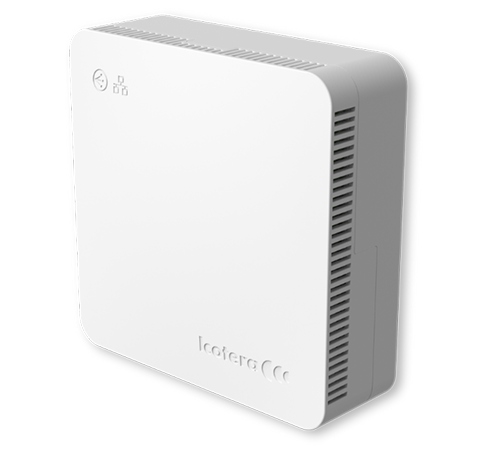
FIBRE TERMINATION
XGS-PON — FTU DIY — 1x 10G LAN
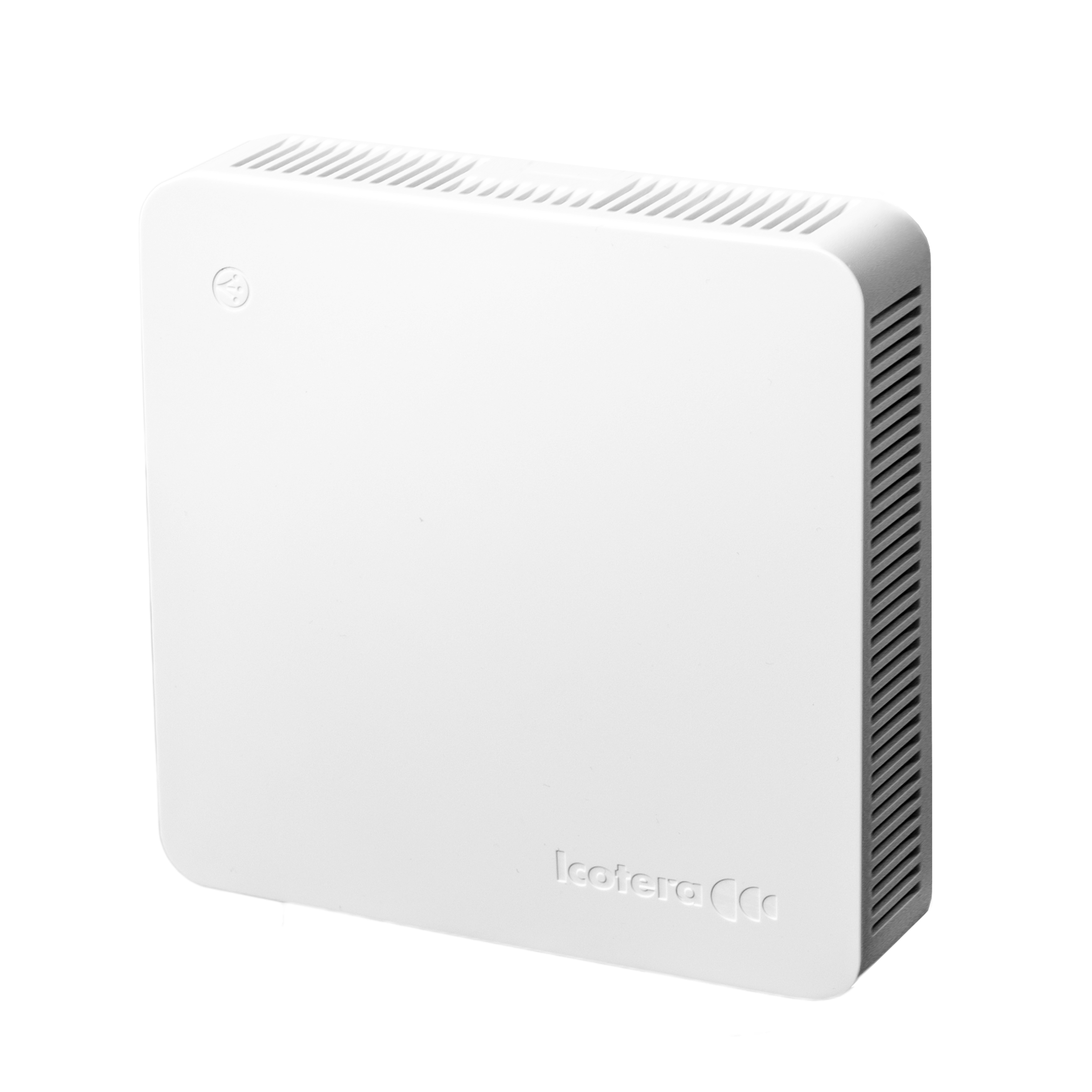
FIBRE TERMINATION
XGS-PON — Patch — 1x 10G LAN
FIBRE TERMINATION
XGS-PON — FTU DIY — 1x 10G, 3x 1G LAN
FIBRE TERMINATION
XGS-PON — Patch — 1x 10G, 3x 1G LAN
FIBRE TERMINATION
XGS-PON — FTU DIY — 2x 10G LAN
FIBRE TERMINATION
XGS-PON — Patch — 2x 10G LAN